Add Renewable Energy to Your Home With Solar Panels
Learn how eligible Florida property owners can explore Florida PACE financing for a qualifying solar panel system.
Why Consider Solar Panels?
Solar panels can be part of a home’s renewable-energy plan, but they aren’t one-size-fits-all. Before choosing a system, a qualified contractor should evaluate your roof, available sunlight, electrical setup, household energy use and local requirements.

Generate Electricity
Solar panels use sunlight to generate electricity for your home, with production varying by system design, sun exposure, roof orientation and weather.

Use More Renewable Energy
A solar system can help you incorporate renewable energy into your home and plan for your long-term energy needs.

Potentially Offset Utility Electricity
Depending on the system and your energy use, solar may offset some electricity purchased from the utility, but lower bills and specific savings aren’t guaranteed.

Add Backup Power Options
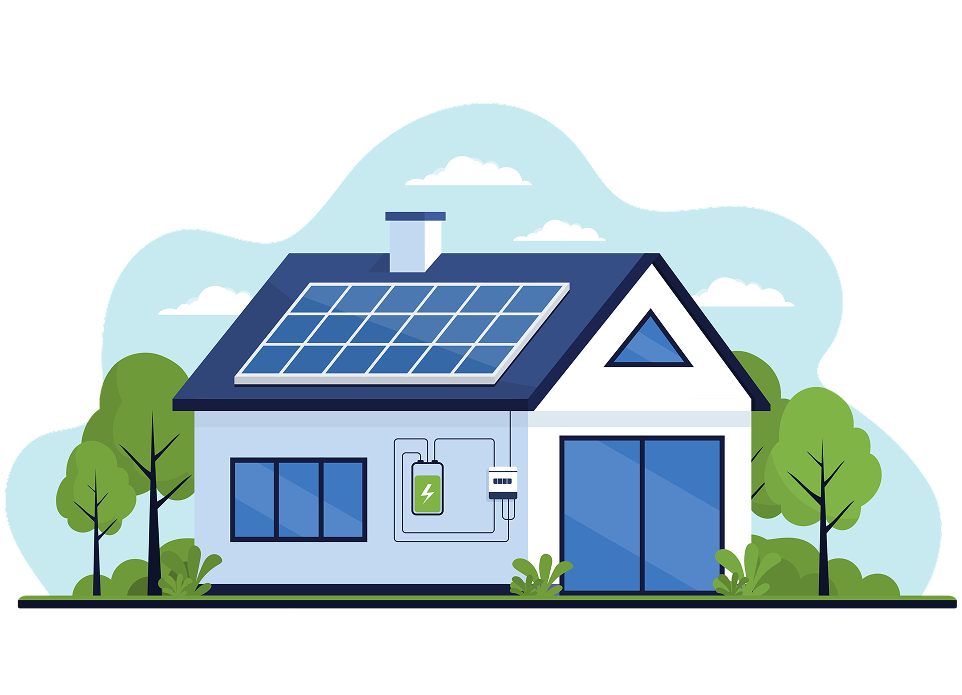
Solar panels paired with battery storage may help provide power during some outages. Solar panels alone may not work during a grid outage, so ask your contractor whether storage fits your backup-power goals.

Make Use of Your Roof
If your roof is in suitable condition and receives enough sunlight, solar panels can turn available roof space into an energy-producing system.

Support Future Electrical Upgrades
A solar system can be planned alongside additions such as battery storage or an electric vehicle charger as your household’s energy needs change.
*Important Note About Electric-Bill Savings: Florida PACE funding does not guarantee a lower electric bill or specific cost savings through solar panel installation. Results can vary based on system size, energy use, roof orientation, shade, weather, utility rates, fees, maintenance, financing costs and other factors. Ask your contractor for written estimates and review the complete project and financing terms before moving forward.
How Florida PACE Can Help With Solar Panel Installations
At Florida PACE, we help eligible property owners explore qualifying solar panel projects without covering the full project cost upfront. Here’s what the process can look like:
- See whether your property may be eligible for Florida PACE.
- If eligible, select an approved contractor for your solar panel project.
- Review the proposed system, roof and electrical requirements, project scope, estimated production and total cost with your contractor.
- Complete the approval process and move forward with installation, with repayment added to your property tax bill over time.
What To Consider Before Installing Solar Panels
Solar panels can be a great way to explore renewable energy at home, but they’re also a significant project. Before requesting a proposal, take a moment to consider:
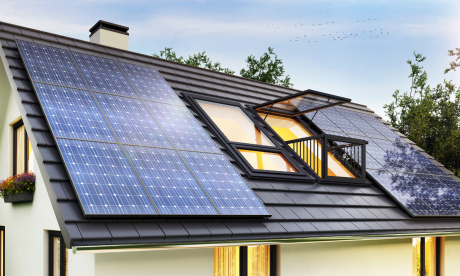
- Roof Condition: If your roof needs repair or replacement, ask whether that work should be completed before the solar installation. Installing panels on a roof that is near the end of its useful life may affect future project planning.
- Structural Support: Your contractor should evaluate whether the roof or another installation area can support the proposed system and mounting equipment.
- Sun Exposure and Shade: Trees, nearby buildings, roof direction and seasonal shade can affect how much electricity the system produces.
- Electrical Capacity: The contractor should review your electrical panel, service capacity and any equipment needed to connect the system to your home.
- Storm and Code Requirements: Ask how the proposed installation will account for Florida weather, local permitting requirements and applicable building standards.
- Battery Storage: If your goal includes backup power, ask about battery storage and whether it fits your property, system design and project scope.
- Total Cost and Ongoing Responsibilities: Review equipment, installation, warranties, maintenance, financing costs and any projected production estimates before signing.
Frequently Asked Questions
Can Solar Panels Lower My Electric Bill?
They may reduce the amount of electricity you purchase from the utility, but a lower electric bill or specific savings is not guaranteed. Results depend on factors such as system size, energy use, sun exposure, utility rates, fees, maintenance and financing costs, so ask your contractor for project-specific estimates.
Can Florida PACE Help Me Fund Solar Panels?
Eligible solar energy systems may qualify for Florida PACE funding. Availability depends first on whether Florida PACE is offered where your property is located and then on whether your property and project meet the program requirements.
Should I Replace My Roof Before Installing Solar Panels?
If your roof is damaged, nearing the end of its useful life or likely to need replacement soon, discuss the timing with a qualified roofing professional and your solar contractor. Completing roof work first may make sense in some cases, but the right sequence depends on your property and the proposed projects.
Will Solar Panels Keep My Home Powered During an Outage?
Not necessarily. Solar panels alone may not provide electricity when the utility grid is down. If backup power matters to you, ask your contractor whether battery storage or another system is right for your home.
Do I Need a Minimum Credit Score to Get Started?
Florida PACE does not use a traditional minimum credit score as the sole basis for approval. Qualification is based on property-related factors and the proposed project, along with the program’s other requirements.
How Do Florida PACE Payments Work?
Qualified property owners repay the approved project cost over time through fixed payments added to the property tax bill. Review the full assessment terms, project amount and approval requirements before signing.
Ready to Explore Solar Panels for Your Home?
If you’re considering solar panels for your Florida home, start by checking the Florida PACE service map and whether your property and project may qualify. Review your contractor’s system estimates and the full financing terms carefully, since solar panels and financing do not guarantee a lower electric bill or specific savings.