Plan Your Septic-to-Sewer Conversion With Florida PACE
Has your local utility told you to connect to public sewer? Learn what the conversion involves, how long it takes and what it costs, plus how PACE can fund a qualifying project.
Why Consider a Septic-to-Sewer Conversion?
You might consider a conversion because public sewer is coming to your area, your septic system needs repairs, or a local requirement applies. Whether connecting makes sense depends on your property, the scope of the project, and what each system costs to maintain over time.

Connect to Available Public Sewer Service
If public sewer reaches your neighborhood, ask your utility whether your home can connect, whether connection is required, and what fees or deadlines apply.
Meet Local Water-Quality Requirements
Some local programs aim to keep household wastewater from polluting nearby waterways. They may require sewer connections or septic upgrades, so check with your utility or local government to see what applies to your property.

Address an Aging or Failing Septic System
If your septic system needs major repairs or replacement and sewer service is available, compare the cost of fixing your system with the cost of connecting.

Weigh Long-Term Costs and Upkeep
Compare the cost of septic pumping, maintenance and repairs with sewer charges and assessments. Connecting doesn’t automatically lower your total costs.
How Florida PACE Can Help With Septic-to-Sewer Conversion
At Florida PACE, we may help eligible property owners fund qualifying septic-to-sewer conversion projects. Whether your project qualifies depends on our current program and property requirements. Here’s what the process can look like:
- Check whether Florida PACE is available where your property is located and whether your property and project may qualify.
- If eligible, look for a contractor experienced with septic-to-sewer conversions. Our Florida PACE contractor list can help you find registered contractors.
- Confirm connection requirements, timing, permits, fees and assessments with your utility. Review the written scope and costs with Florida PACE.
- Complete the approval process, review your funding terms and move forward with approved work. If approved, repayment is added to your property tax bill over time.
Septic-to-Sewer Conversion Project Considerations
Your local utility, municipality, property layout and project type determine what a conversion involves. Before moving forward, consider:
- Local Availability and Deadlines: Check whether sewer service is available or planned, whether connection is required and when it must be completed. Requirements vary by area.
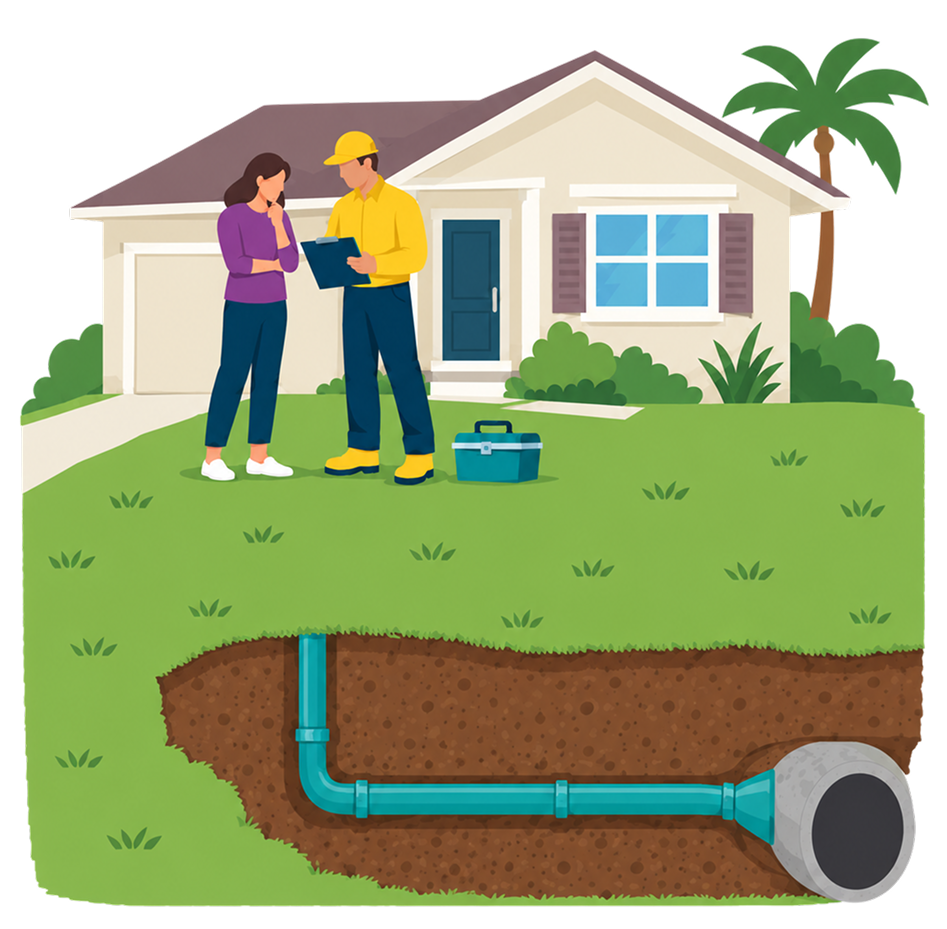
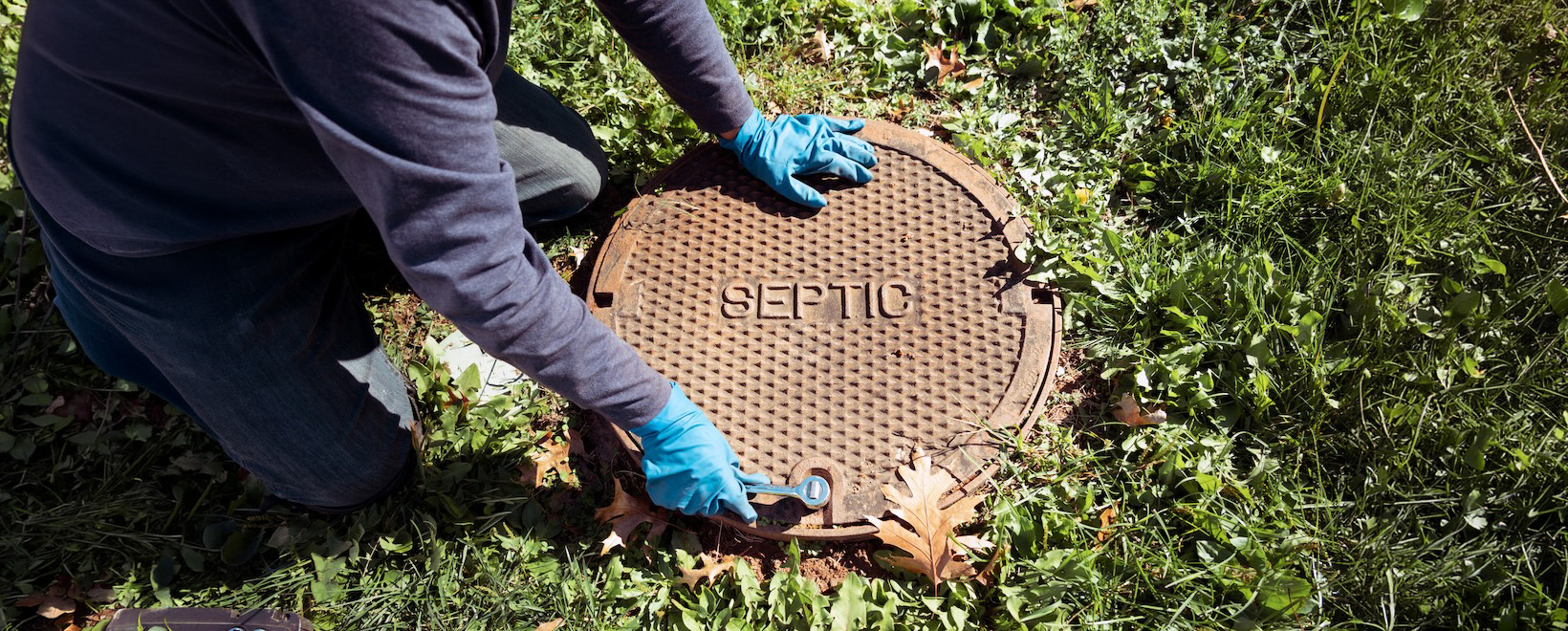
- Construction and Property Impacts: Work may include sewer mains, a home connection, septic-tank abandonment and site restoration. Ask about timing, access changes and permits.
- Written Scope and Costs: Request an itemized estimate for utility charges or assessments, private sewer-line or plumbing work, design, permits, inspections, septic pumping and abandonment, and restoration. Costs vary by property.
- Ongoing Sewer Charges: Confirm when billing starts and what recurring charges apply. Compare them with the cost of septic pumping, maintenance, repairs and replacement.
- Funding Eligibility: Public utility charges and private-property work may be treated differently. Confirm which costs may qualify for Florida PACE before relying on funding.
Frequently Asked Questions
Is Septic-to-Sewer Conversion Required for Every Florida Home?
No. Whether you need to connect depends on the sewer service available at your address and the requirements of your local utility, municipality and any applicable local or state program. Contact the authority named in your notice to confirm your options and deadline.
What Could Prompt a City or County to Require or Encourage a Conversion?
The reason depends on the local project. A sewer expansion or a local water-quality program may affect whether conversion is offered or required. Ask your utility what applies to your address and whether it offers an alternative, such as upgrading the septic system, where local rules allow one.
How Long Does a Septic-to-Sewer Conversion Take?
There isn’t one statewide timeline. A neighborhood sewer expansion may have multiple design and construction phases, while the connection work at an individual home has its own schedule. Ask your utility for the latest milestones, your connection deadline, permit and inspection steps, and any expected schedule changes.
What Disruption Should I Expect During Construction?
It depends on the project. Work may involve digging in the street or yard, connecting the home to a sewer line, abandoning the septic tank, restoring landscaping or other site features, and temporary traffic changes. Confirm construction hours, access and restoration plans with your local project team.
Can Florida PACE Help Fund the Total Conversion Cost?
We can help fund eligible costs for a qualifying septic-to-sewer conversion when Florida PACE is available in your area and your property and project meet current requirements. A project may include utility charges, assessments, private-property plumbing, permits, septic-tank abandonment and restoration, but you shouldn’t assume every item (or the entire project amount) will qualify. Ask us to review the proposed cost breakdown before you make funding decisions.
How Are Florida PACE Payments Made?
If your project is approved, the PACE assessment is added to your property tax bill and repaid over time under the terms provided for your project. Review the full funding amount, repayment terms and property-tax implications before you agree.
Do I Need to Use a Florida PACE Contractor?
No. You don’t have to use a Florida PACE contractor. If you’d like to explore the option, browse our contractor list. Check with your utility or municipality about local contractor, licensing and permitting requirements.
Ready to Explore Funding for Your Septic-to-Sewer Project?
Start by checking whether Florida PACE is available in your county. If it is, we can help you take the next step to see whether your property and septic-to-sewer project may qualify. Confirm your local conversion requirements and project costs, then review which items may be eligible for Florida PACE funding.