
Charge Your EV at Home With Florida PACE
Learn how a qualifying electric car charger installation may make at-home charging more convenient and how Florida PACE may help fund approved project costs.
Why Consider an Electric Car Charger?
An at-home EV charger can make it easier to charge your vehicle where you park. The right setup depends on how much you drive, how long your vehicle is parked, your preferred charging speed, and whether your home’s electrical system can support the installation.

Make At-Home Charging
More Convenient
Charging at home can make it easier to keep your EV ready without making a separate trip to a public charging station.

Start Each Day With More Available Range
Charging while your vehicle is parked overnight may help you begin the day with more available range, depending on your vehicle, charger, and charging time.
Spend Less Time Planning for Public
Charging
An at-home charger can reduce how often you need to plan around public charging locations, depending on your driving habits, vehicle, and charging setup.
Explore Potentially Lower Upfront Costs
At-home charging can work with the way you drive, whether you take shorter daily trips or need to charge more often throughout the week.
Prepare for Future EV Needs
If you’re planning to buy an EV, replace an existing charger, or drive more in the future, a new charging setup may help your home adapt to those needs over time
Explore Potential Insurance Savings
A professionally installed EV charger may be worth discussing with your insurer to ask whether the charger, electrical work, or related upgrades could affect your policy.
How Florida PACE Can Help With Electric Car Chargers
At Florida PACE, we help eligible property owners fund qualifying electric car charger projects. Whether your installation qualifies depends on our current program and property requirements. Here’s what the process can look like:
- See whether Florida PACE is available where your property is located and whether your property and project may qualify.
- If eligible, choose a contractor you trust, or use the Florida PACE contractor list if you’d like help finding one.
- Review the proposed charger, Level 1 or Level 2 setup, panel capacity, circuit requirements, permits, project scope, and total cost.
- Complete the approval process and move forward with installation, with repayment added to your property tax bill over time.
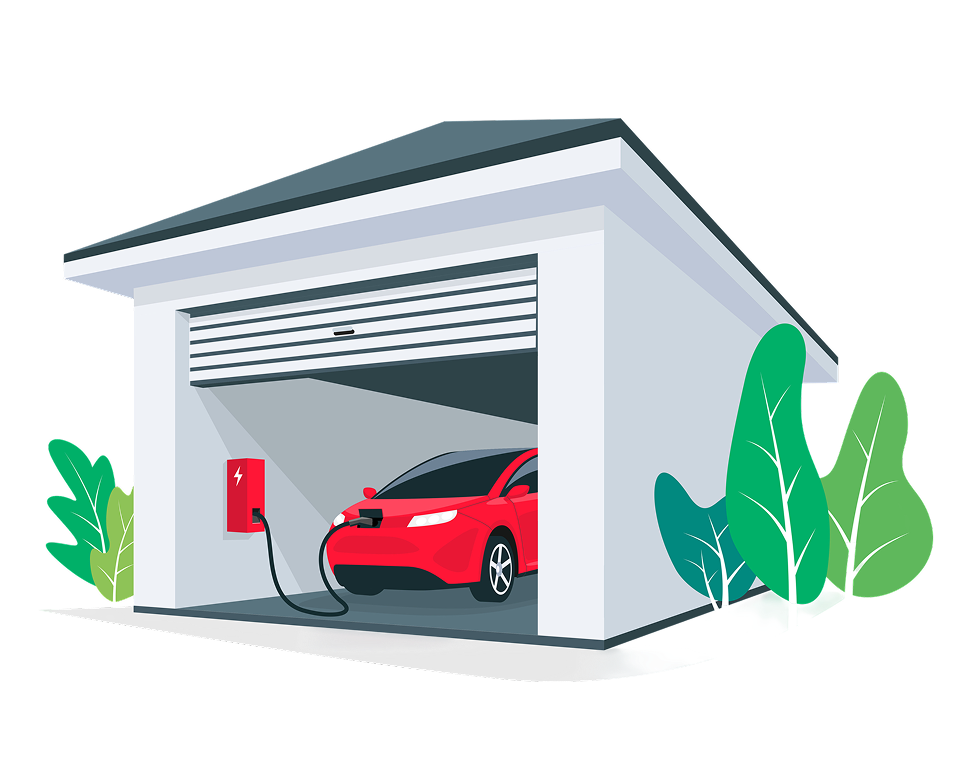
Electric Car Charger Project Considerations
An EV charger can be a practical addition to your home, but the right installation depends on your vehicle, parking location, electrical system, and charging goals. Before requesting a proposal, take a moment to consider:
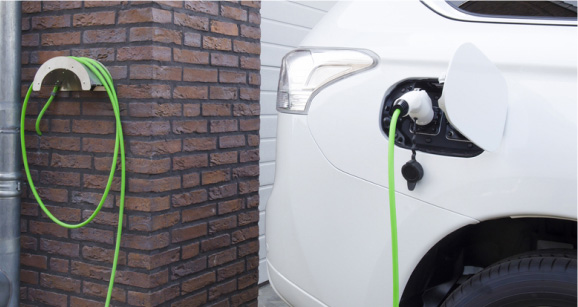
- Choose Level 1 or Level 2 Charging: Level 1 typically uses a 120-volt outlet and offers slower charging. Level 2 uses a 208- or 240-volt connection and generally charges faster, but it may require a dedicated circuit and additional installation work.
- Panel and Service Capacity: Ask an electrician to review your electrical panel, service capacity, available breaker space, existing loads, and any equipment needed to support the charger. If your panel or electrical service doesn’t have enough capacity for the charger, you may need additional work, such as a panel upgrade, new wiring, a service upgrade, or load management.
- Permits and Local Requirements: Confirm which permits, inspections, utility requirements, and local electrical code standards apply to your property and installation.
- Installation Location: The distance from your electrical panel to the parking space, wall or pedestal mounting, conduit, wiring, weather exposure, and charger placement may affect the project scope and cost.
- Equipment and Compatibility: Confirm that the charger works with your vehicle, includes the features you need, and is installed according to the manufacturer’s requirements.
- Total Cost and Ongoing Responsibilities: Review the charger, electrical work, permits, labor, warranties, maintenance, electricity use, funding costs, and any additional work included in the proposal.
Frequently Asked Questions
Can Florida PACE Fund an Electric Car Charger?
Yes. At Florida PACE, we may help fund qualifying electric car charger projects. First, check whether PACE is available where your property is located and whether your property and project meet our current requirements.
What’s the Difference Between a Level 1 and Level 2 EV Charger?
Level 1 charging typically uses a 120-volt outlet and provides a slower charging rate that may work for overnight charging, lower daily mileage, or longer parking periods. Level 2 charging uses a 208- or 240-volt connection and generally charges faster, but it may require a dedicated circuit and enough capacity in your electrical panel.
Will I Need to Upgrade My Electrical Panel?
Possibly. An electrician should review your panel, service capacity, available breaker space, existing loads, and the charger’s requirements. Some homes may support the proposed installation as-is, while others may need additional wiring, a dedicated circuit, load management, or an electrical upgrade.
Does Charging at Home Cost Less Than Public Charging?
Home charging may cost less than some public charging options, but the difference depends on utility rates, public charging prices, your charging frequency, vehicle efficiency, and installation/ongoing costs.
How Much Does a Home EV Charger Installation Cost?
The cost depends on the charger, Level 1 or Level 2 setup, electrical panel and service capacity, wiring distance, installation location, permits, labor, and any required upgrades. Request a written proposal that clearly separates the charger, installation, and any additional electrical work.
Ready to Explore an EV Charger for Your Home?
If you’re considering an electric car charger for your Florida home, start by checking whether Florida PACE is available in your county and whether your project may qualify. Once you confirm your property is in a qualifying county, apply for Florida PACE funding to take the next step toward a more convenient at-home charging setup.