
Florida’s Recent Cold Snaps Are Exposing Heating Problems in Homes Across the State

Florida is known for sunshine and mild winters. But recent cold weather has caught many homeowners off guard.
Over the past several weeks, unusually strong cold fronts have pushed temperatures well below normal across much of the state. In some areas, residents experienced extended periods of freezing or near-freezing temperatures — conditions that are rare for most Florida communities.
That shift has sent many homeowners to the thermostat, sometimes for the first time in years, only to find their heating system is struggling, inefficient, or not working at all. If your home is having trouble staying warm, there are practical next steps you can take.
Why Is It So Cold in Florida Right Now?
Florida’s recent cold snaps are the result of Arctic air pushing farther south than usual when the jet stream shifts and allows colder air to dip into the Southeast. Most winters, Florida feels only the edge of these systems. Occasionally, the pattern strengthens and cold air reaches deep into the peninsula.
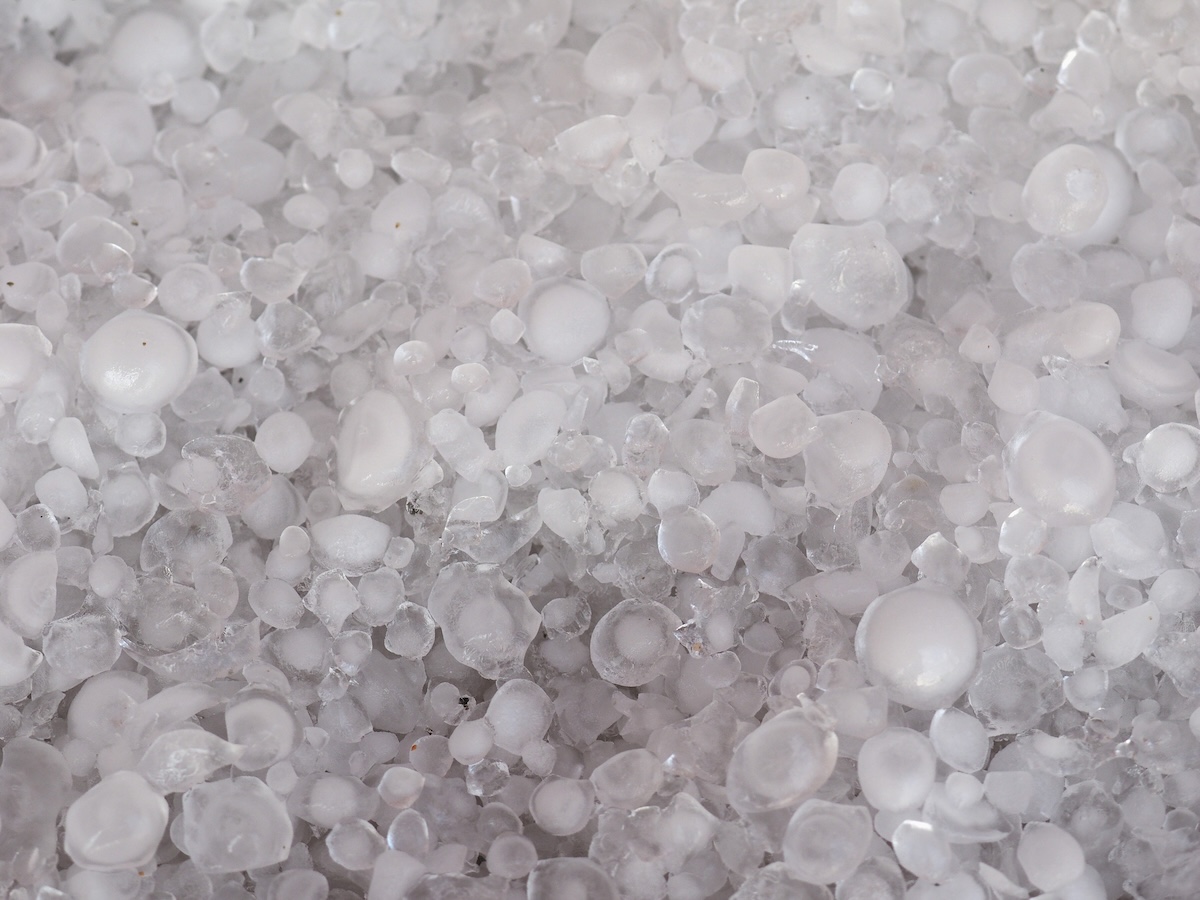
That is what happened during the 2026 freeze. Many areas saw temperatures fall well below normal for several days, with impacts that are uncommon in a typical Florida winter — including reports of snow flurries in parts of the state and cold-stunned iguanas in South Florida.
Even though extreme cold is infrequent, it does happen — and when it does, it can quickly expose weaknesses in heating systems that have gone mostly unused.
Why Is My Heat Not Working in My House?
If your heating system is broken or struggling, there are several common causes — especially in Florida homes, where the heating function may go months or years without regular use.
Some of the most common issues include:
- Thermostat settings or calibration problems. In some cases, the thermostat may be set incorrectly, have low batteries, or be slow to switch from cooling to heating mode.
- Electrical or circuit issues. A tripped breaker, blown fuse, or power interruption can prevent the system from turning on or running consistently.
- Heat pump or HVAC components that are worn or failing. Parts like sensors, capacitors, or motors can weaken over time, and cold weather can bring those issues to the surface quickly.
- Dirty filters or restricted airflow. Clogged filters and blocked vents can limit airflow, making it harder for the system to warm the home and sometimes triggering shutdowns.
- Systems nearing the end of their lifespan. Older units may still cool adequately but struggle to deliver reliable heat, especially during a sustained cold snap.
In warmer climates, heating equipment often goes unnoticed until it is urgently needed. A sudden drop in temperature can reveal deferred maintenance or aging components all at once — and if many homeowners are calling for service at the same time, wait times can increase.
Heating Repair or Full Replacement: What Makes Sense?
When temperatures drop, restoring heat is the immediate priority. But it is also important to consider whether a short-term repair is the right long-term decision.
Heating repair may make sense if:
- The system is relatively new
- The issue is minor
- The unit has been properly maintained
Replacement may be the smarter option if:
- The system is 10-15 years old or older
- Breakdowns are becoming more frequent
- Energy bills are steadily increasing
- The system struggles to maintain comfortable temperatures
Modern high-efficiency HVAC systems are designed to perform more reliably in both hot and cold conditions. For many homeowners, replacing an aging system reduces energy use and prevents repeated emergency service calls.
What Is the Best Way to Heat a Home in Florida?
In Florida’s climate, high-efficiency heat pumps are typically the most practical solution.
Heat pumps provide both cooling and heating, making them well-suited for year-round use. Newer systems are better equipped to handle temperature swings and operate more efficiently during cold snaps than older models.
Upgrading to a modern system can improve comfort during unexpected cold weather while also enhancing cooling performance during Florida’s long summer season.
How to Keep Warm When Heating Is Broken
If your heating system stops working during a cold spell, there are safe, short-term steps you can take to stay comfortable until repairs are completed:
- Seal drafts around doors and windows. Use towels at the base of doors, close curtains at night, and check for air leaks around window frames. Even small drafts can make a room feel significantly colder.
- Close off unused rooms to hold heat where you need it most. Shut doors to guest rooms and low-traffic areas, and spend time in one or two rooms so your body heat and any safe supplemental heating can go further.
- Add layers for warmth, especially at night. Wear socks and a sweatshirt indoors, use extra blankets, and consider a layered bed setup (blanket and comforter) to retain heat. A simple change, such as placing a throw blanket on the couch, can make a big difference.
- Use space heaters safely, if you have them. Keep heaters at least three feet away from curtains, bedding, or furniture, plug them directly into a wall outlet rather than an extension cord, and never leave them running unattended or while sleeping.
These measures can provide temporary relief, but restoring reliable heating is the long-term solution, especially if your HVAC system is aging or struggling to perform.
Note: While you may be tempted to bring an outdoor grill, camp stove or propane heater indoors for extra warmth, these devices are not designed for indoor use. They can produce carbon monoxide, a colorless, odorless gas that can build up quickly and become life-threatening. Using an oven or stovetop to heat your home also increases the risk of fire and dangerous indoor air conditions. These methods may seem like quick fixes, but they create serious safety hazards.
Why More Florida Homeowners Are Turning to PACE for HVAC Upgrades
When cold weather exposes aging systems, homeowners often begin exploring options for repairs or full replacement.
Florida PACE programs can help eligible property owners fund qualifying HVAC improvements, including high-efficiency system replacements and related upgrades.
PACE financing offers:
- No upfront costs
- Fixed, predictable payments
- Qualification based on property equity
- Long-term repayment through a non-ad valorem assessment
Upgrading your HVAC system through PACE can improve comfort, enhance efficiency, and help prepare your home for both occasional winter cold and extreme summer heat.
Preparing for Florida’s Weather — Hot or Cold
Cold weather in Florida may be infrequent, but it is not impossible. Temperature swings can happen quickly, and when they do, they can disrupt daily routines, especially if your HVAC system has not been tested in heating mode in a long time.
One of the best ways to avoid surprises is to schedule a professional HVAC inspection before peak seasons. An inspection can help confirm your system is operating safely and efficiently, identify worn components before they fail, and ensure airflow and thermostat settings are working as they should.
It is also a good time to check the age of your system, replace filters, make sure vents are unobstructed, and address small issues before they become emergency repairs.
A modern, energy-efficient system supports reliable performance year-round, not just during the coldest weeks or the hottest months.
See If Your HVAC Project Qualifies
Florida weather may be unpredictable. Your home comfort doesn’t have to be.
If your heating system isn’t working or you are considering an upgrade, Florida PACE may be able to help.
PACE financing can support qualifying HVAC improvements, including high-efficiency replacements and related upgrades, with no upfront costs and predictable payments.
Ready to take the next step? Apply online for Florida PACE financing today.