Hardening Your Home for Hail: What Florida Homeowners Should Know

Key Takeaways
- Hail damage prevention isn’t just for northern states — Florida hailstorms can be intense and unpredictable.
- Protecting your home helps preserve property value, safety and peace of mind.
- You have options for strengthening your home’s roof, windows and outdoor assets before a storm hits.
- Florida PACE funding can help cover the cost of resilient upgrades for your property.
Why Florida Homeowners Need to Think About Hail
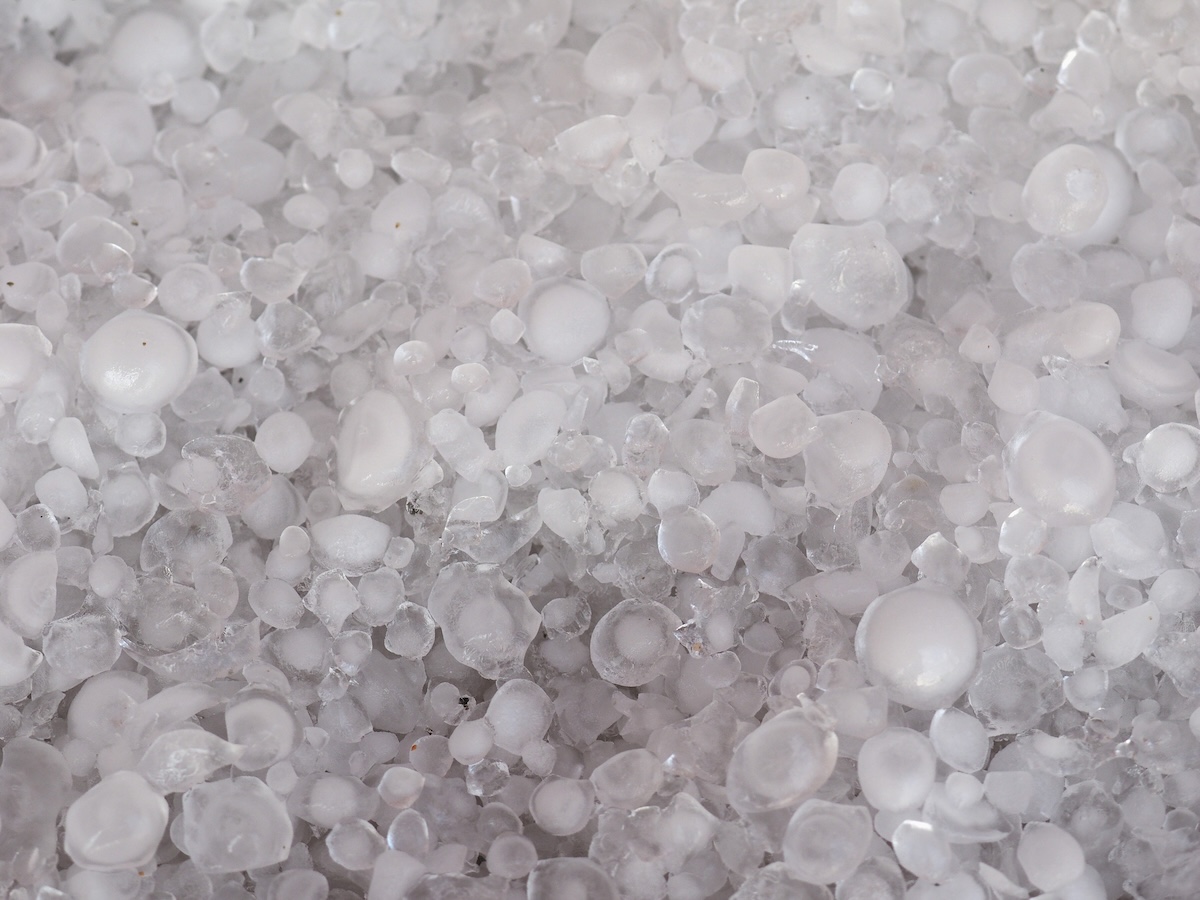
When most people picture Florida weather, they think hurricanes, not hail. But intense Florida hailstorms are more common than you may realize, especially during spring and early summer cold fronts. These fast-moving storms can bring damaging hail that impacts roofs, windows, vehicles and even your home’s outdoor systems.
If you’re new to Florida or haven’t experienced hail here before, it’s worth knowing what to expect and how to prepare.
What Hail Can Do to Your Home
Even small hailstones can cause significant damage. The most common types of hail damage to Florida homes include:
- Bruised or cracked shingles that lead to leaks
- Granule loss that shortens roof life
- Cracked windows or dented frames
- Damage to outdoor HVAC units, solar panels and screens
- Flooding risks from clogged or broken gutters
Because hailstorms can come with high winds and heavy rain, any weak points in your home’s exterior can quickly become vulnerabilities.
How to Protect Your Home from Hail Damage
From your roof to your windows and everything in between, there are steps you can take now that could save you stress (and money) down the line if an unexpected hailstorm hits.
Strengthen Your Roof
- Choose impact-rated shingles or metal roofing designed to resist hail.
- Schedule regular roof inspections to catch wear or damage early.
- Secure loose tiles or shingles before storm season begins.
Protect Your Windows
- Impact-resistant windows are built to withstand debris and hail.
- Add storm shutters or clear polycarbonate panels for added protection.
- Temporary plywood or fabric window covers can work in a pinch.
Protect Doors and Garage Entry Points
- Upgrade to wind- and impact-rated doors.
- Reinforce garage doors with bracing kits.
Safeguard HVAC and Outdoor Equipment
- Use hail guards or covers for HVAC and pool equipment.
- Secure or store patio furniture and grills.
- Trim trees and secure landscaping features that could become airborne.
Upgrade for Long-Term Resilience
- Consider durable siding and reinforced gutters.
- Install smart drainage systems to manage heavy rainfall.
When Is the Best Time to Prepare for Hail in Florida?
While Florida’s weather can be unpredictable, hailstorms are more likely during spring and early summer, when strong cold fronts collide with warm, moist air. These conditions often spark the severe thunderstorms that can produce hail.
Here’s when Florida hailstorms are most likely:
- March through July, with peak activity typically in spring and early summer
- During fast-moving cold fronts and severe thunderstorm watches
Use the dry months (typically late fall and winter) to get ahead:
- Schedule Inspections: Have a professional check your roof, windows and gutters.
- Plan Your Upgrades: This is the best time to schedule projects like impact windows or new roofing materials.
- Apply for Florida PACE Funding: Get started early so you’re not scrambling once storm season begins.
How Florida PACE Can Help With Hail Damage Prevention
Resilience upgrades don’t have to drain your savings. With Florida PACE, eligible homeowners can access funding for improvements (without a credit check) that protect their homes from storm damage, including hail.
Funding is tied to your property, not your personal credit. This means:
- No upfront payment is required to get started.
- You choose your own contractor from a list of PACE-approved professionals.
- No prepayment penalties, and contractors are only paid after you sign off on the work.
Projects like roofing, home window hail protection, gutter improvements and impact-rated doors may all qualify.
Frequently Asked Questions About Florida Hail Protection
1. What size hail is dangerous for homes?
Even hail as small as 1 inch in diameter (quarter-sized) can damage shingles, dent metal and crack windows. Florida storms often bring hail in this range or larger.
2. Do I need impact-resistant roofing in Florida?
Yes — especially if you’re in a region prone to high winds or hail. These materials offer better protection and may increase your home’s value and insurance eligibility.
3. How can I tell if my roof was damaged by hail?
Look for signs like dents on vents or gutters, missing granules, bruised shingles or leaks. A professional inspection is the best way to know for certain.
4. Can hail damage really be prevented?
While no solution is 100% foolproof, home hardening techniques like reinforced roofing, home window hail protection and outdoor equipment covers significantly reduce risk.
5. Does Florida PACE cover upgrades for hail protection?
Yes. Many upgrades that help protect against hail, like impact windows, roofing and gutter systems, are eligible for Florida PACE funding.
Unlike traditional financing, Florida PACE is tied to your property, not your credit score. This means there’s no upfront payment required, and the cost is repaid over time through your property taxes.
This enables you to move forward with important home improvements now, without draining your savings or taking on new personal debt. It’s a more realistic, manageable way to protect your home and prepare for severe weather.
Explore Funding Options for Hail-Resistant Upgrades
Florida weather can quickly turn into intense, damaging storms, but protecting your home shouldn’t mean emptying your savings or taking on overwhelming debt with high interest. Now’s a smart time to plan ahead, make meaningful upgrades and see how Florida PACE Funding can help you move forward with confidence.
Explore eligible upgrades or check your eligibility by county to get started with Florida PACE.
